
How Junk Removal Works: Step-by-Step Process
People seeking junk removal typically want to clear clutter efficiently, and local service providers can handle the entire process for a smooth, hassle-free cleanup.
Understanding how junk removal works: step-by-step process can help property owners in the area plan for clearing out clutter, renovating, or preparing a property for sale. Whether dealing with old furniture, construction debris, or general trash, knowing what to expect can make the entire experience smoother. Local service providers offer practical solutions to handle these tasks efficiently, ensuring that unwanted items are removed safely and responsibly. Keeping reading can reveal how these professionals streamline the process, saving time and effort for property owners who want a clean, clutter-free space without the hassle.
Many property owners explore junk removal to improve the safety, appearance, or functionality of their spaces. From clearing out storage areas to managing large cleanouts, understanding how the process unfolds helps in making informed decisions about hiring the right help. Local contractors are equipped to handle a variety of removal needs, providing a straightforward, hassle-free experience. Continuing to explore this topic can give insight into how these services work and how they can make property cleanup easier and more manageable.
- Appliance disposal - when replacing large appliances, local contractors can efficiently remove and haul away old units.
- Construction debris removal - after renovation projects, service providers handle cleanup by removing leftover materials and debris.
- Furniture removal - when upgrading or decluttering, local pros assist with removing bulky furniture items safely.
- Yard waste removal - during landscaping or yard cleanup, professionals can clear away branches, leaves, and other yard debris.
- Estate cleanouts - in cases of estate or decluttering projects, local service providers manage the thorough removal of unwanted items.

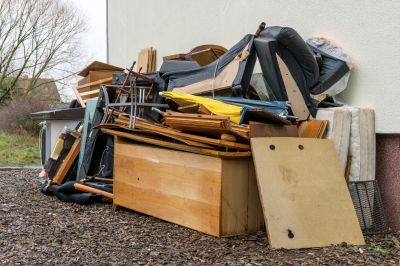
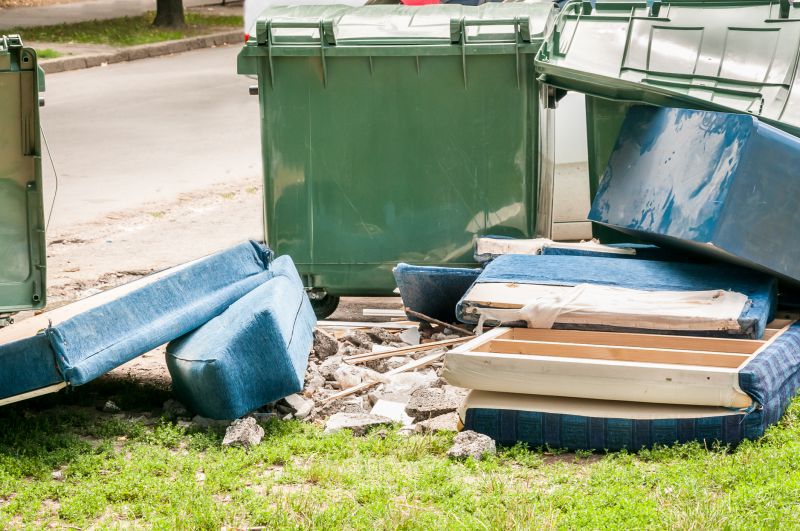
When searching for information on how junk removal works: step-by-step process, most people are looking to understand the typical sequence of events involved in clearing out unwanted items from a property. This often relates to projects where homeowners need to remove large quantities of clutter, old furniture, construction debris, or appliances. People may be planning a home renovation, preparing for a move, or simply trying to declutter their space. Understanding the process helps them coordinate their efforts and know what to expect when hiring local service providers to handle the job efficiently and safely.
The process generally begins with evaluating the scope of the junk to be removed. Homeowners or property managers usually identify the types of items they want gone and the areas affected. Common problems include overcrowded garages, cluttered basements, or yard debris after landscaping projects. These plans often involve clearing out entire rooms, removing bulky furniture, or disposing of construction waste. Recognizing the specific needs helps in selecting the right local pros who have the equipment and experience to handle different types of junk and property conditions.
The types of properties where junk removal services are frequently needed include residential homes, apartment complexes, rental properties, and small commercial buildings. In homes, junk removal can be part of a renovation, estate cleanout, or seasonal decluttering. Apartments and condos often require quick and efficient clearance, especially when tenants move out. Commercial properties might need debris removal after construction or renovation projects. Each property type presents unique challenges and requirements, which local contractors are equipped to address by providing tailored solutions that match the scope of the project and property layout.
The step-by-step process of how junk removal works typically involves initial assessment, scheduling, collection, and disposal. Once a property owner contacts local service providers, they usually arrange an on-site evaluation to determine the volume and nature of the junk. After scheduling the service, the pros arrive with the necessary tools and vehicles to efficiently load the items. They handle the heavy lifting, sorting, and loading, ensuring the property is cleared out safely and thoroughly. The final step involves transporting the junk to appropriate disposal or recycling facilities, leaving the property clean and ready for its next use. This organized approach helps homeowners understand how the process flows and how local pros can make the project smooth and straightforward.
Commercial cleanouts - local contractors that handle business space cleanouts often utilize similar planning and hauling skills as junk removal services.
Estate cleanouts - estate cleanout projects require careful organization and efficient removal, aligning with the processes used in junk removal services.
Construction debris removal - removing construction waste involves heavy lifting and debris sorting, which are common tasks in junk removal work.
Appliance disposal services - safely removing large appliances involves planning and handling bulky items, similar to junk removal procedures.
Furniture removal projects - moving and disposing of old furniture requires coordination and proper tools, akin to the steps in junk removal.
Storage unit cleanouts - clearing out storage units involves sorting and hauling items, paralleling the skills used in junk removal services.
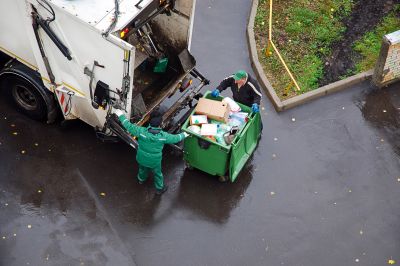
When comparing local contractors for junk removal services, it is important to consider their experience with similar projects. Homeowners should look for service providers who have a track record of handling the type of junk or debris they need to remove, whether it’s construction debris, household clutter, or yard waste. An experienced contractor is more likely to understand the nuances of different types of materials and how to efficiently manage the removal process, which can help ensure the project proceeds smoothly and without unexpected issues.
Clear written expectations are a key factor when evaluating potential service providers. Homeowners should seek out contractors who provide detailed descriptions of their services, including what is included in the removal process and any limitations or exclusions. Having this information in writing helps prevent misunderstandings and ensures that everyone is on the same page about the scope of work. It also allows homeowners to compare proposals more effectively and select a provider that best aligns with their specific needs.
Reputable references and effective communication are essential qualities to consider in local contractors. Reliable service providers should be able to offer references or examples of past work that demonstrate their professionalism and dependability. Good communication-whether through prompt responses to inquiries or clear explanations of the process-can make the entire experience more straightforward. When homeowners feel confident that a contractor is transparent and responsive, it adds a layer of trust that the project will be handled competently and with attention to detail.
Property owners often search for how junk removal works: step-by-step process when they are planning practical projects around their homes and businesses. Local pros provide Junk Removal services for everyday jobs and straightforward project options.
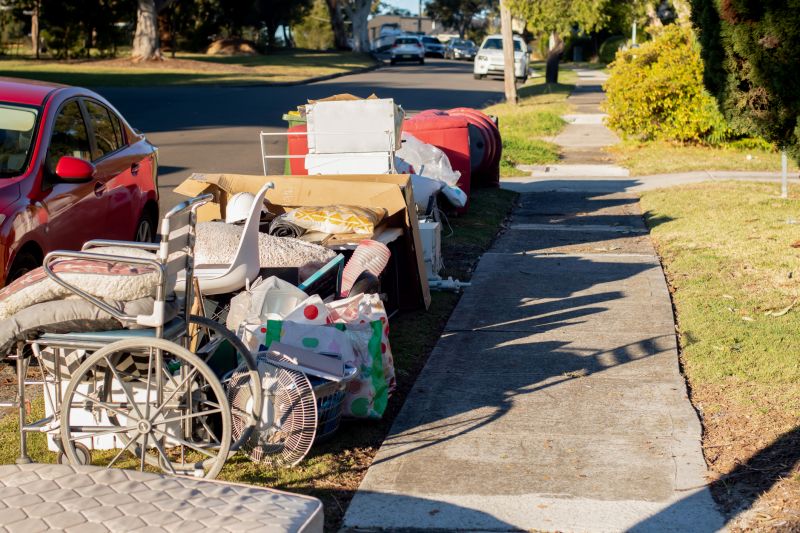
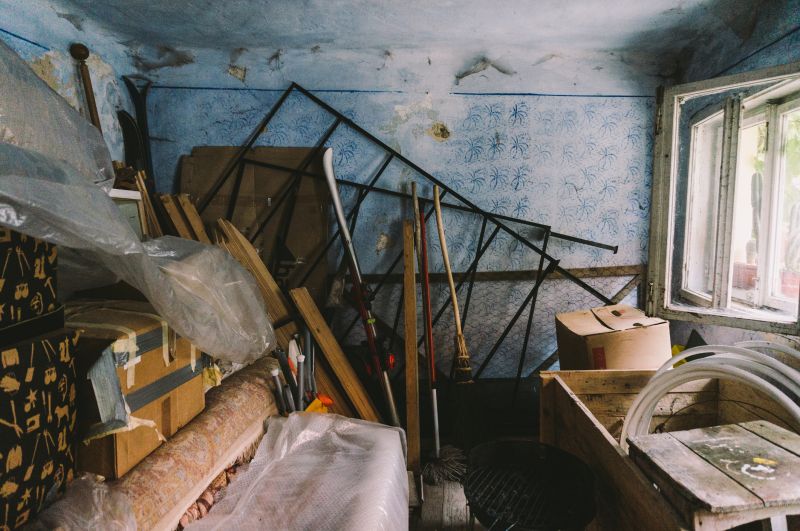
Many property owners in the area turn to junk removal services when faced with clutter from home cleanouts, renovation debris, or yard waste. These everyday situations often involve large or bulky items that are difficult to dispose of through regular trash collection. By seeking out local contractors, property owners can simplify the process, saving time and effort while ensuring their spaces are cleared efficiently and safely.
The typical process involves scheduling a pickup with a professional service provider who specializes in junk removal. Once scheduled, the service provider will arrive at the designated property, where they will handle the loading and removal of unwanted items. This step-by-step approach makes it easier for property owners to manage cleanup projects, whether tackling a single room or an entire property, without the hassle of doing it all themselves.
How do local service providers typically handle junk removal jobs? Local contractors usually start by assessing the amount and type of junk, then provide a plan for pickup and disposal, often including loading and hauling services.
What should I do to prepare for junk removal with a professional? Preparing involves clearing the area of obstacles, ensuring easy access to the items, and informing the service provider of any specific items that need special handling.
How do local pros decide what can be removed during junk removal? They evaluate items based on size, weight, and type, and determine what is suitable for removal and disposal according to their standard practices.
What happens to the junk after it is collected by a service provider? The collected items are typically transported to disposal facilities, recycling centers, or donation sites, depending on the item and local regulations.
How do local contractors ensure the junk removal process is efficient? They plan the pickup route, use appropriate equipment, and coordinate the loading process to maximize efficiency during the removal service.
Scheduling the service - property owners can choose a convenient time for junk removal, ensuring the process fits their schedule.
Preparing the space - clearing pathways and organizing items helps streamline the removal process for local contractors.
Junk collection and removal - local service providers handle loading and hauling away unwanted items efficiently and safely.
Disposal and cleanup - pros ensure proper disposal of debris and leave the area tidy after the job is complete.
If you are thinking about how junk removal works: step-by-step process for a property, this guide is meant to help you understand this topic, the typical project types, and how different options might fit your plans.
When you are ready, you can use the quote form on this page to share a few details about your project. From there, local pros can review the basics and follow up with options that match what you have in mind.